An esteemed visit
Simon Johnson, co-winner of the Nobel Prize in Economics 2024, who visited the School last year.

Read Marvin's interview
“Within our curriculum, we have the chance to take an internship.”

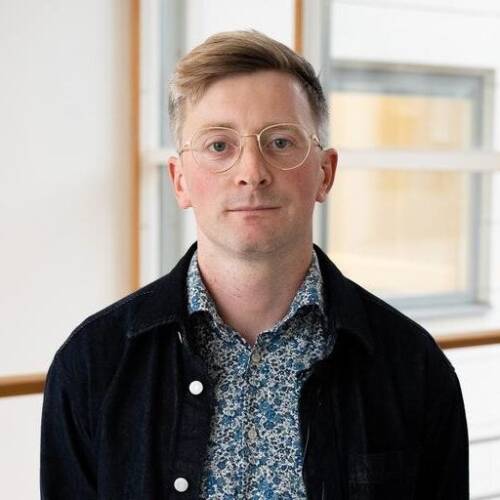
Read Wilhelm's interview
Wilhelm Åkesson fights financial crime
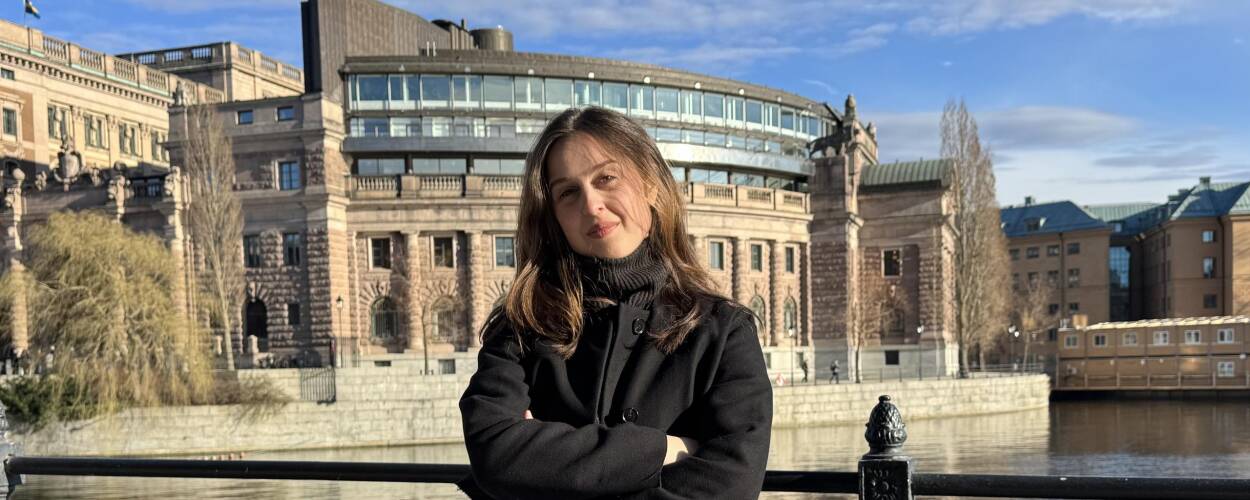
Read Shasa's interview
"Economics helps us understand societal issues"
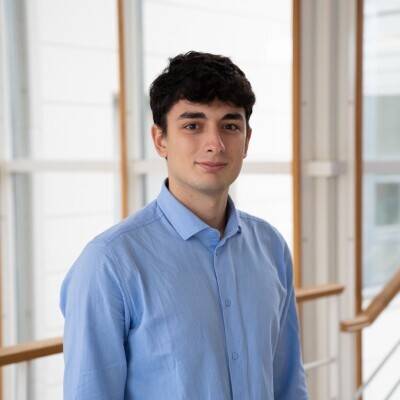
Read Federico's interview
From Rome to Gothenburg: Federico Bruschi's Double Degree Experience
Meet our Students and Alumni
Programme coordinator
Katarina Nordblom
Professor

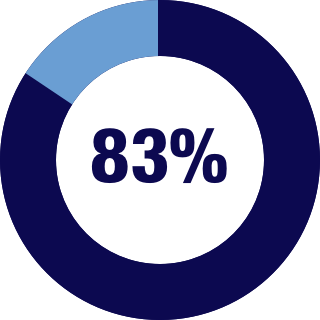
Graduates hired quickly
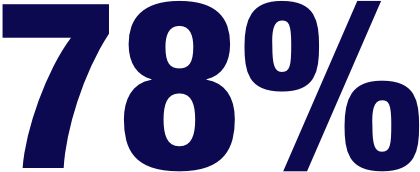
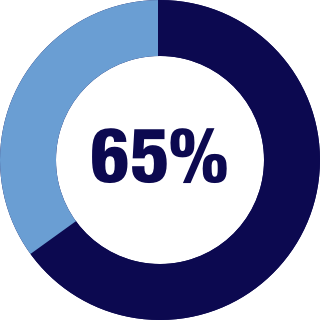
86% of the students found employment within 6 months of completing their studies. 64% found positions before they completed their studies.

Would you recommend the programme?
86% of the students would recommend the School to prospective students.
SEK
Average
monthly salary
The students initial salary is between
34 000 - 36 999 SEK.


Visiting address
Vasagatan 1
Org. nummer: 202100-3153
Our channels
Contact
The University of Gothenburg
Box 100
405 30 Gothenburg
Sweden
Main Switchboard
+46 31-786 00 00




Contact
Graduate School
Student Counsellors

Read more

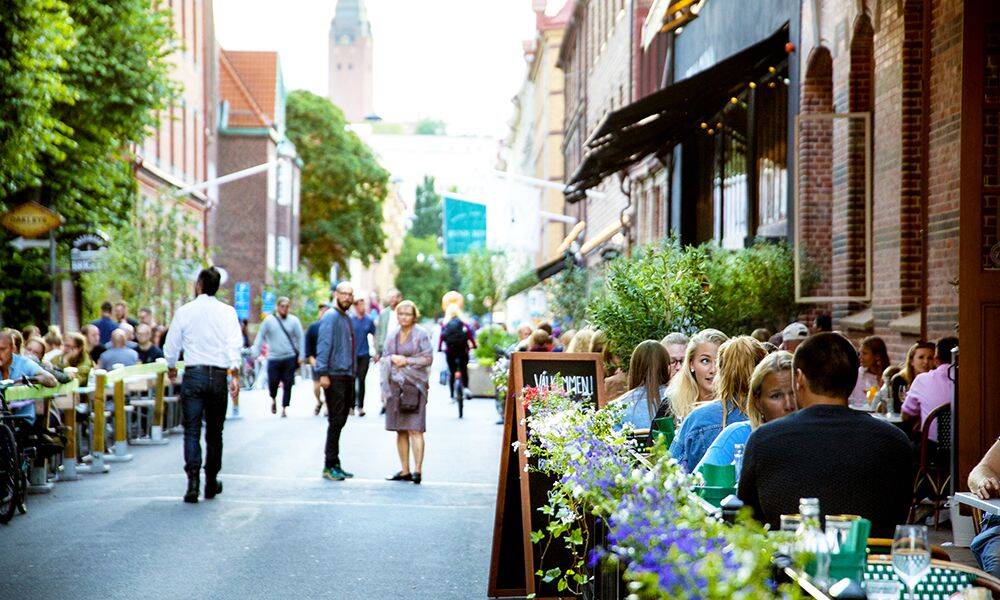
Life in Gothenburg

After Graduation
Graduates of the programme receive a degree of Master of Science in Economics. Reflecting the scope of the programme, our graduates find positions within a broad range of private industries and public and international organizations, such as:
economists or project leaders at Riksbanken, Ministry of Finance, the World Bank, and private consultancy firms
environmental economists at COWI AB and Havs- och Vattenmyndigheten
programme officer at UN Environment
health economists at TLV, Folkhälsomyndigheten, and Region Västra Götaland
financial advisors at Danske Bank and Nordea and analysts at Skolinspektionen, Statistic Sweden, and Försäkringskassan
continued studies at a doctorate level for academic careers
120 credits
Two year full-time
in Economics
Programme set up
& Syllabus
Prerequisites
& Selection
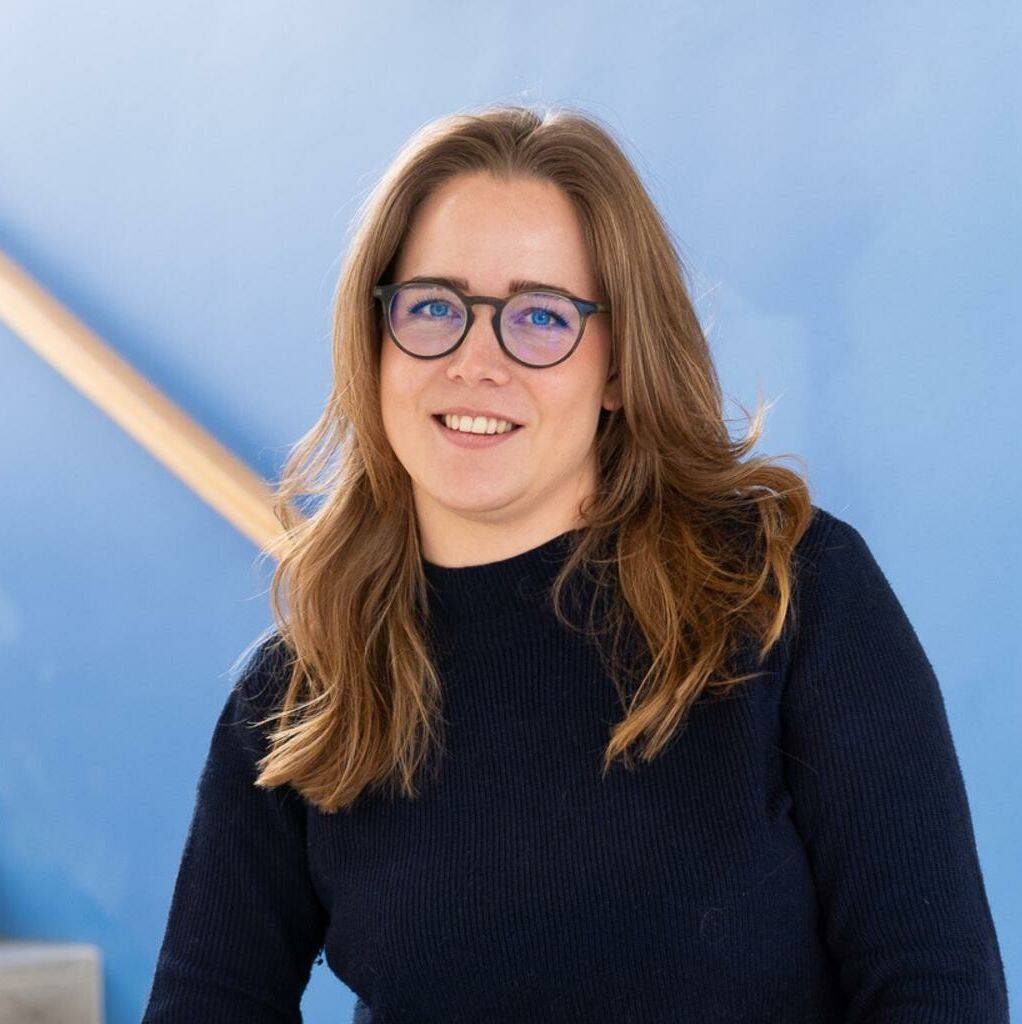
Interview with Anna,
People Data Analyst at Volvo Cars
Who Should Apply?
Are you curious, analytical, and hardworking and want to be challenged to further develop your skillset in economics?
Are you concerned with sustainability and interested in how economics can help us face future sustainability challenges?
Do you want to find real solutions to important problems rather than relying on quick fixes?
Then our master’s programme in Economics will suit you perfectly!
About the Programme
Tuition fee for this programme
192 000 SEK for two years of full-time studies
No fees are charged for EU/EEA citizens, Swedish residence permit holders and exchange students.
This programme will provide you with a high-level toolkit for understanding and analysing complex economic problems. You will be prepared for a career as a professional economist in industry or public sector or, as a PhD student. During the programme you will have the opportunity to apply your skills in a real-world setting during an internship.
You will be prepared to analyze the big issues in society, such as climate change and world poverty – and the small ones, such as competition restrictions or individual behaviour.

Read about exchange studies
EXCHANGE AGREEMENTS WITH 160 UNIVERSITIES AROUND THE WORLD

Read Shasa's interview
"Economics helps us understand societal issues"
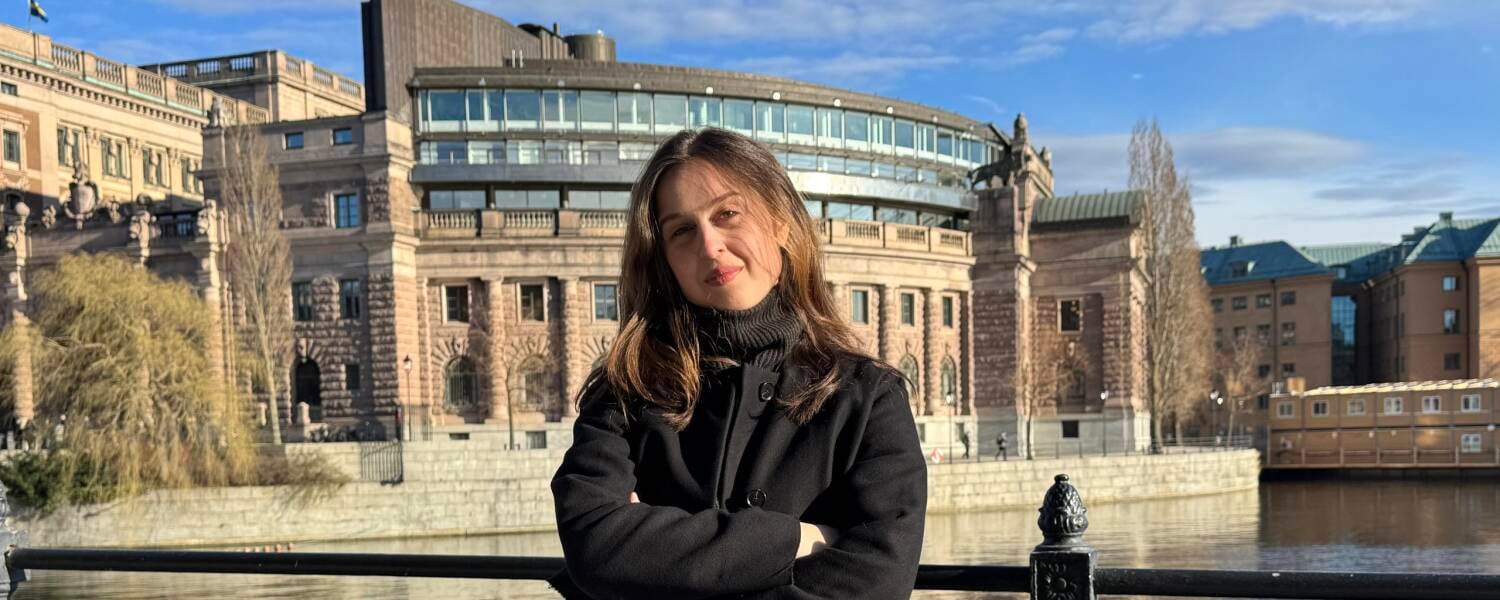
Simon Johnson, co-winner of the Nobel Prize in Economics 2024, who visited the School last year.
Read Marvin's interview
“Within our curriculum, we have the chance to take an internship.”

Read Wilhelm's interview
Wilhelm Åkesson fights financial crime

Read Federico's interview
From Rome to Gothenburg: Federico Bruschi's Double Degree Experience

Meet our Students and Alumni
Programme coordinator
Katarina Nordblom
Professor

SEK
Average
monthly salary
The students initial salary is between
34 000 - 36 999 SEK.
Graduates hired quickly
86% of the students found employment within 6 months of completing their studies. 64% found positions before they completed their studies.
An esteemed visit
Would you recommend the programme?
86% of the students would recommend the School to prospective students.




Life in Gothenburg
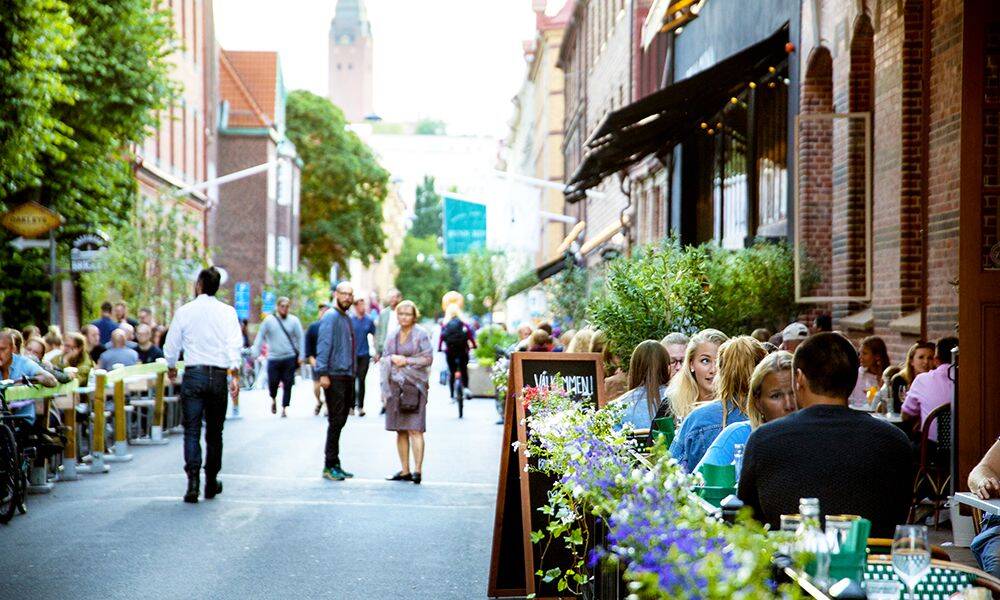
Read about exchange studies
EXCHANGE AGREEMENTS WITH 160 UNIVERSITIES AROUND THE WORLD

After Graduation
Graduates of the programme receive a degree of Master of Science in Economics. Reflecting the scope of the programme, our graduates find positions within a broad range of private industries and public and international organizations, such as:
economists or project leaders at Riksbanken, Ministry of Finance, the World Bank, and private consultancy firms
environmental economists at COWI AB and Havs- och Vattenmyndigheten
programme officer at UN Environment
health economists at TLV, Folkhälsomyndigheten, and Region Västra Götaland
financial advisors at Danske Bank and Nordea and analysts at Skolinspektionen, Statistic Sweden, and Försäkringskassan
continued studies at a doctorate level for academic careers
Contact
Graduate School
Student Counsellors
Read more

Programme set up
& Syllabus
Prerequisites
& Selection
Who Should Apply?
Are you curious, analytical, and hardworking and want to be challenged to further develop your skillset in economics?
Are you concerned with sustainability and interested in how economics can help us face future sustainability challenges?
Do you want to find real solutions to important problems rather than relying on quick fixes?
Then our master’s programme in Economics will suit you perfectly!
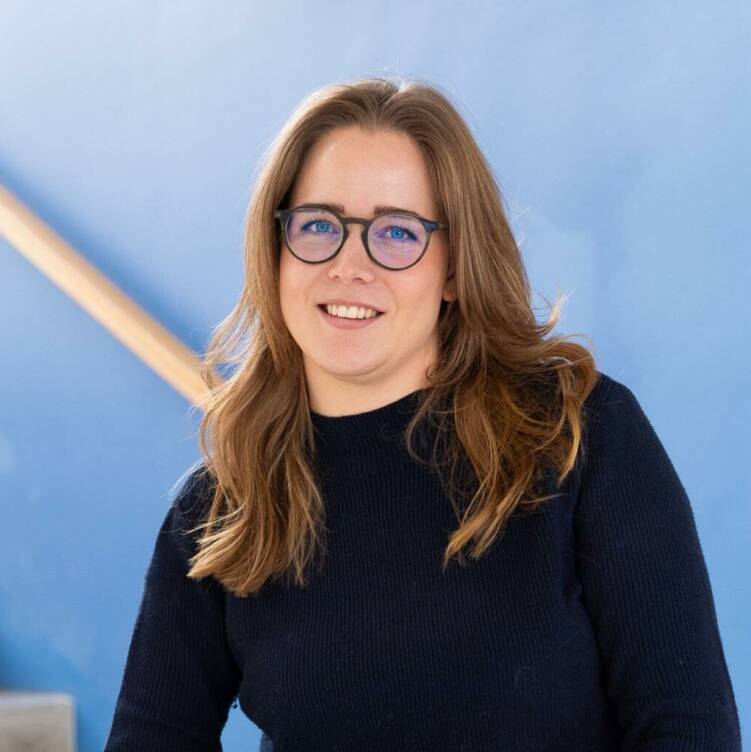
Interview with Anna,
People Data Analyst at Volvo Cars
About the Programme
Tuition fee for this programme
192 000 SEK for two years of full-time studies
No fees are charged for EU/EEA citizens, Swedish residence permit holders and exchange students.
This programme will provide you with a high-level toolkit for understanding and analysing complex economic problems. You will be prepared for a career as a professional economist in industry or public sector or, as a PhD student. During the programme you will have the opportunity to apply your skills in a real-world setting during an internship.
You will be prepared to analyze the big issues in society, such as climate change and world poverty – and the small ones, such as competition restrictions or individual behaviour.
120 credits
Two year full-time
in Economics